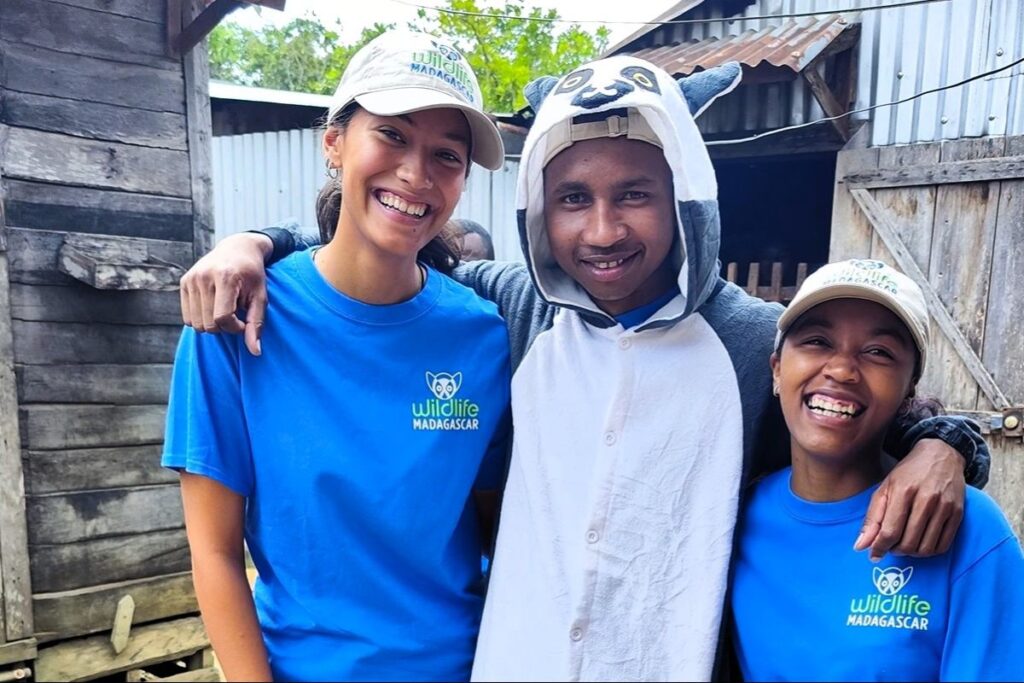
Wildlife Madagascar is working with communities around Anjanaharibe-Sud to increase literacy.
News
It’s wonderful to see the SAVA Agroecological Team and Duke Lemur Center working on more landscape restoration projects in the SAVA Region around Marojejy and Anjanaharibe-Sud. This is important work, and it’s great to see it being done in a thoughtful and sustainable manner. Thank you, all!
Photos from another impressive project spearheaded by Duke Lemur Center SAVA…
Edible insects: an interesting and innovative project being tested in rural communities around Anjanaharibe-Sud!
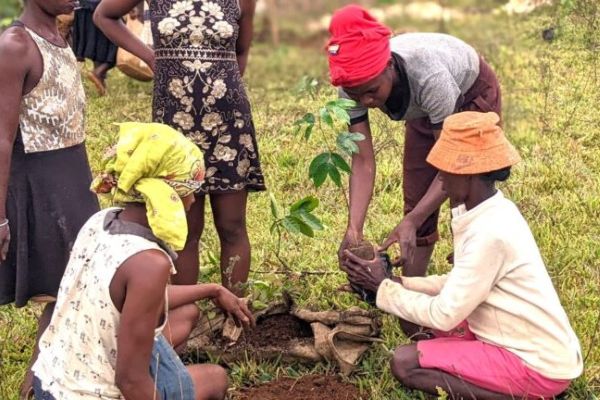
Many thanks to Wildlife Madagascar for working to restore and revitalize these important forest habitats.
Beautiful footage produced by Franco Rajaonarison. This is Marojejy!
View this post on Instagram
Researchers are evaluating ways to reestablish native forests in areas of Marojejy and Anjanaharibe-Sud that were once cleared for agricultural purposes.
One of the bridges on the dirt road between Manantenina and Mandena has collapsed, cutting off vehicle access to Mandena. Once again, travellers heading to Marojejy will need to walk this section of the route. Fortunately, it’s not far, and the walk is tranquil and beautiful.
An entertaining video that takes you through Anjanaharibe-Sud Special Reserve, showing the beauty and the adventure.
We’re pleased to learn that Madagascar National Parks, in conjunction with the conservation organization Wildlife Madagascar, is constructing a new camp in Marojejy’s sister park, Anjanaharibe-Sud Special Reserve. The new camp is in an area where the critically endangered Red Ruffed Lemur (Varecia rubra) has recently been discovered.
A visit to Anjanaharibe-Sud which includes Camp Indri, Camp Varecia and even summiting Anjanaharibe-Anivo would make for an amazingly adventurous trek through some of the world’s most beautiful and biodiverse rainforests.
Markus Bartels has many amazing photos of the reptiles of Marojejy, but these of Uroplatus finaritra are extra special, as this species is thought to be endemic to Marojejy and was only described and named in 2019.
You can read more about Uroplatus finaritra — its discovery and potential threats — in this mongabay.com article.
Duke Lemur Center SAVA Conservation continues to work with communities around Marojejy and Anjanaharibe-Sud on projects that promote sustainable agriculture and animal husbandry. These projects have strengthened food security and women’s empowerment, while also reducing pressure on forest resources and helping protect the area’s biodiversity. Read more about DLC’s recent projects here.
Thank you for your excellent work, DLC!
The latest adventures of Matt McGee, a PhD student at the University of California–Berkeley who is conducting biodiversity surveys along an elevational gradient in Anjanaharibe-Sud. Climbing the mountain was a definite challenge, as the old trail (last used in the 1990s) is no longer passable and Matt and his team had to forge a completely new route. Matt made it to the 1,550 m level camp and two of his research assistants successfully summited (2,064 m). This trek was not your standard “walk in the park”!
The Climb / Two Days to 1550 – WILDLIFE MADAGASCAR
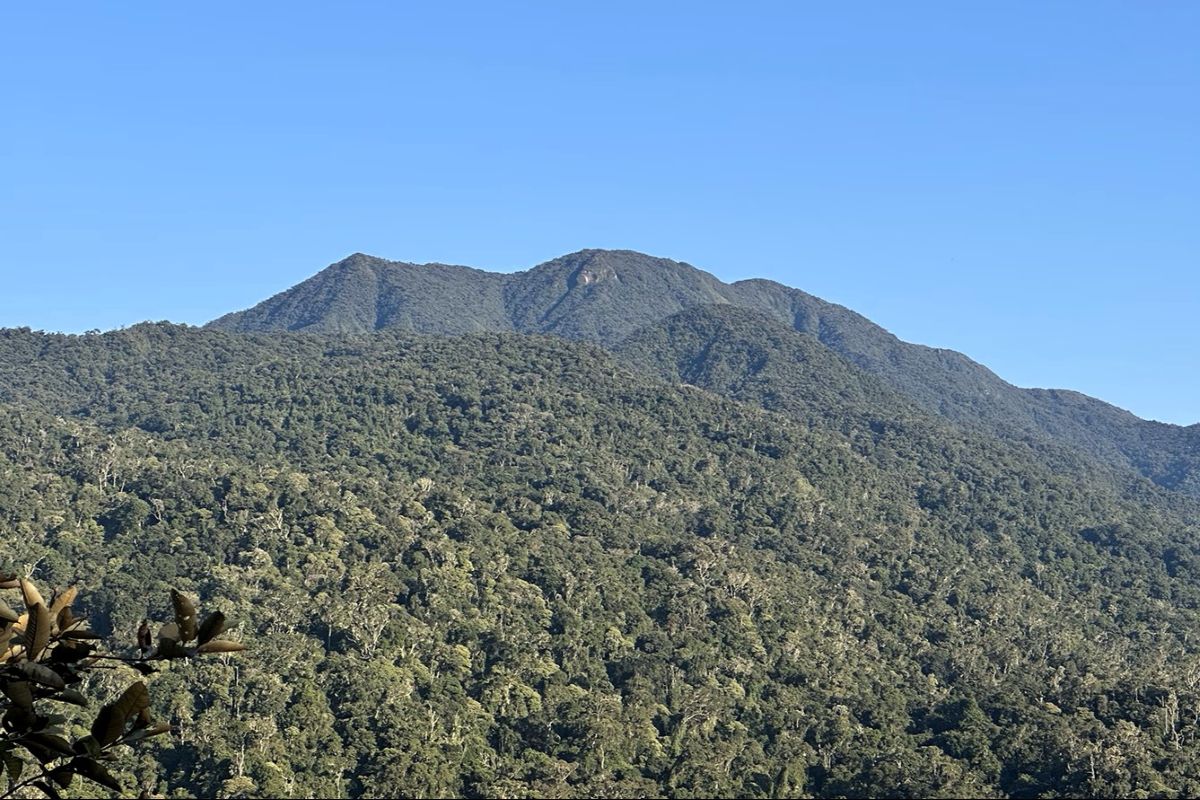
Following substantial damage caused by Cyclone Ewano in 2017, Madagascar National Parks (MNP) has been hard at work rebuilding and repairing the tourist infrastructure in Marojejy.
Along the trail into the park, several sturdy new footbridges have been constructed across creeks and ravines.
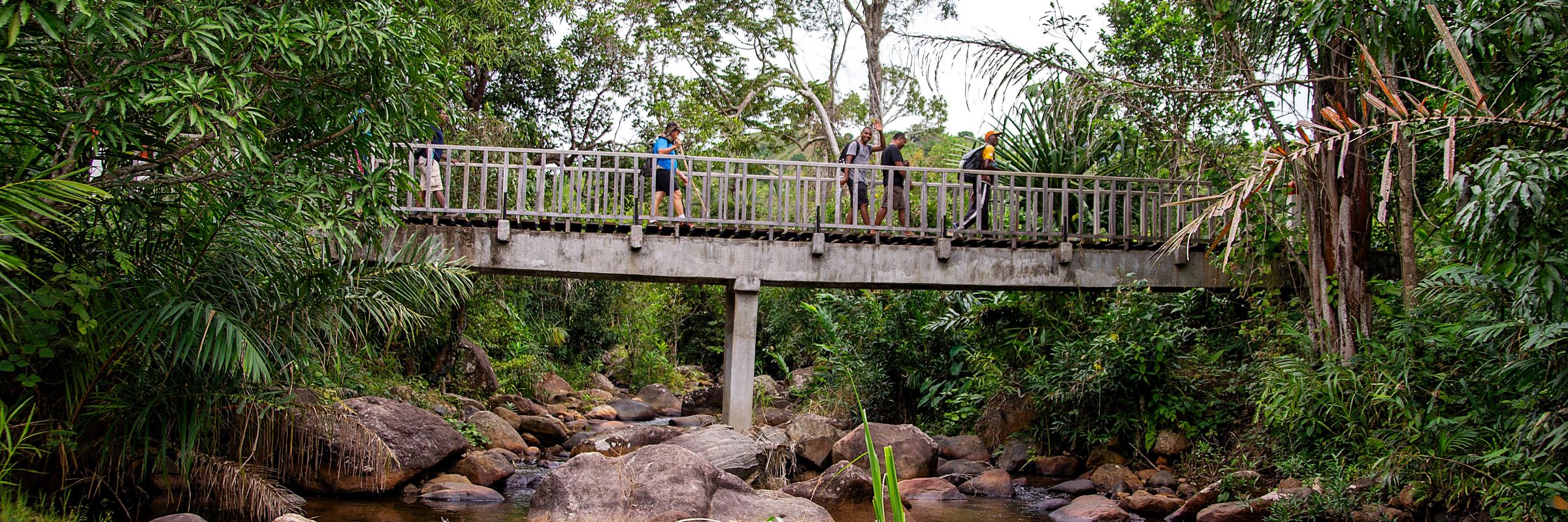
At Camp Mantella, a new covered dining area, a new ablution block (toilets and showers) and six new sleeping cabins have been completed. Two of these cabins have ensuite bathrooms and solar power. As Camp Mantella is the first camp along the trail, it gets more use and the additional sleeping capacity will be welcome.
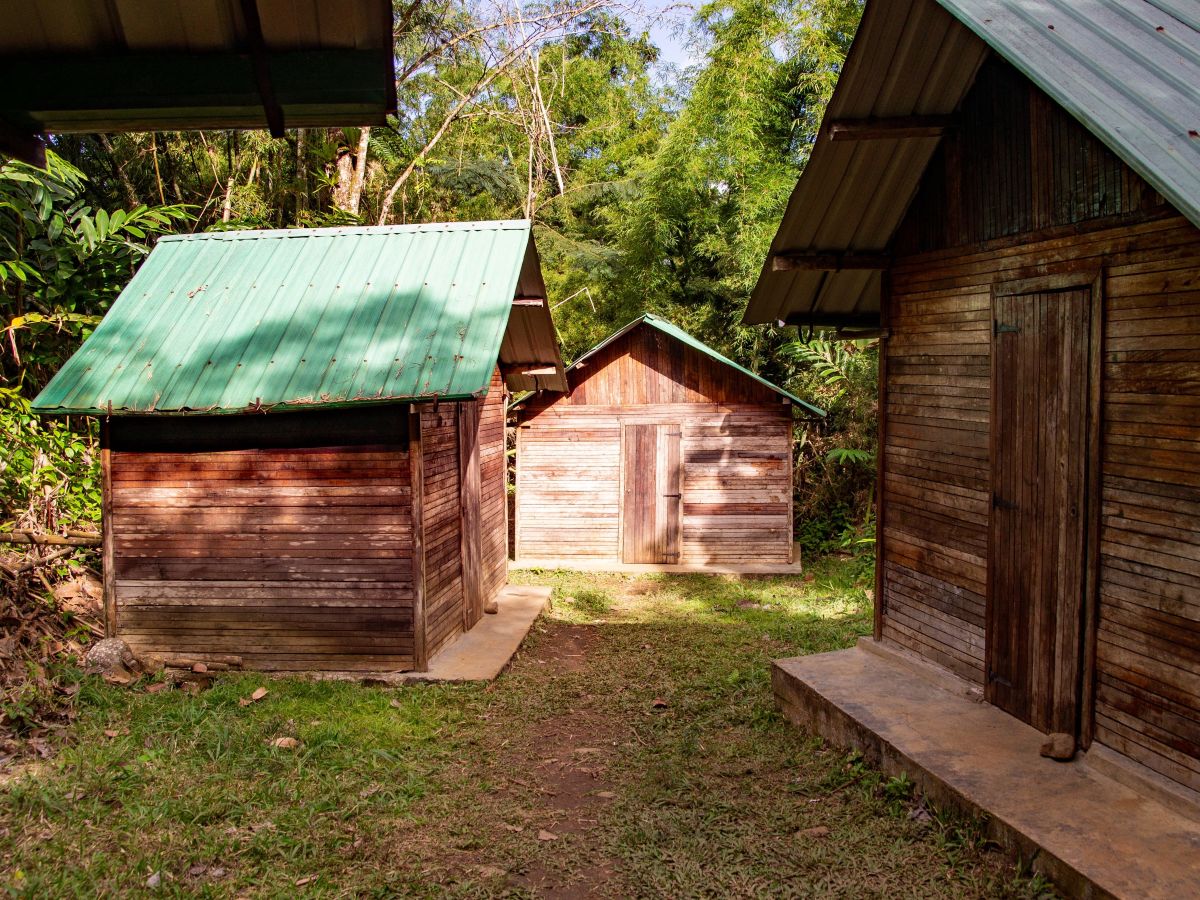
Camp Mantella
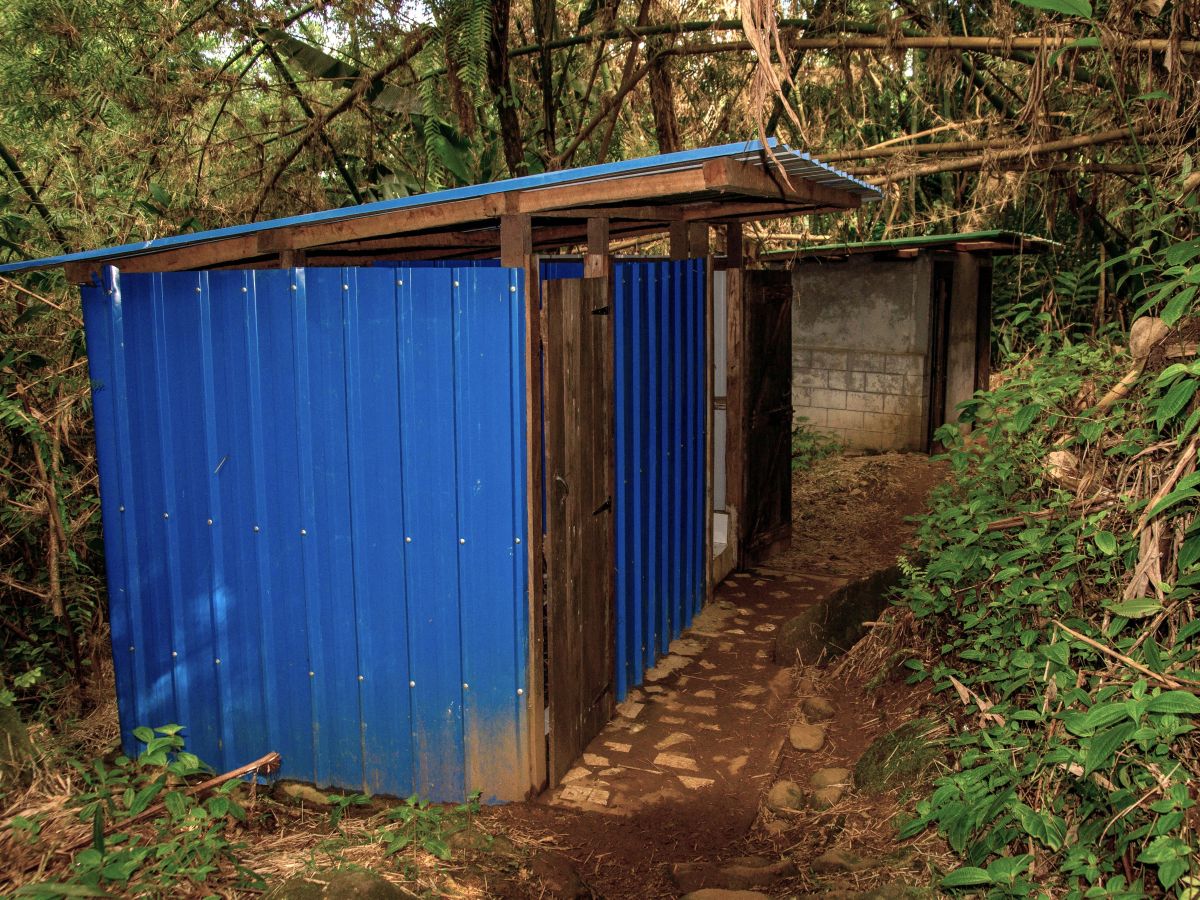
New toilet and shower building at Camp Mantella
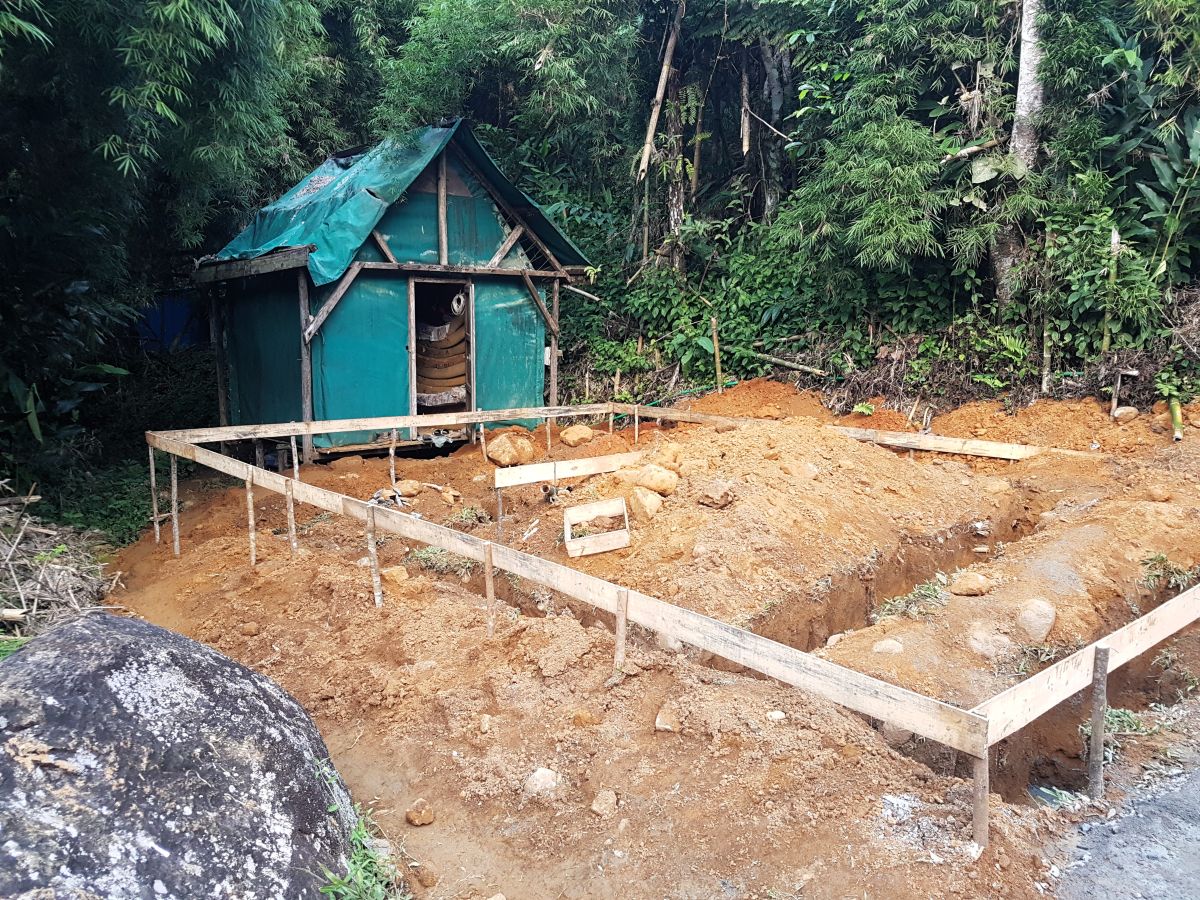
Foundation area for new sleeping cabin at Camp Mantella
A great deal of work has also been completed further up the trail at Camp Marojejia, which is built on a steep hillside with stunning views across the valley to the rock face of Ambatotsondrona. A series of covered dining and viewing platforms has been reconstructed, along with several new sleeping cabins and a new ablution block.
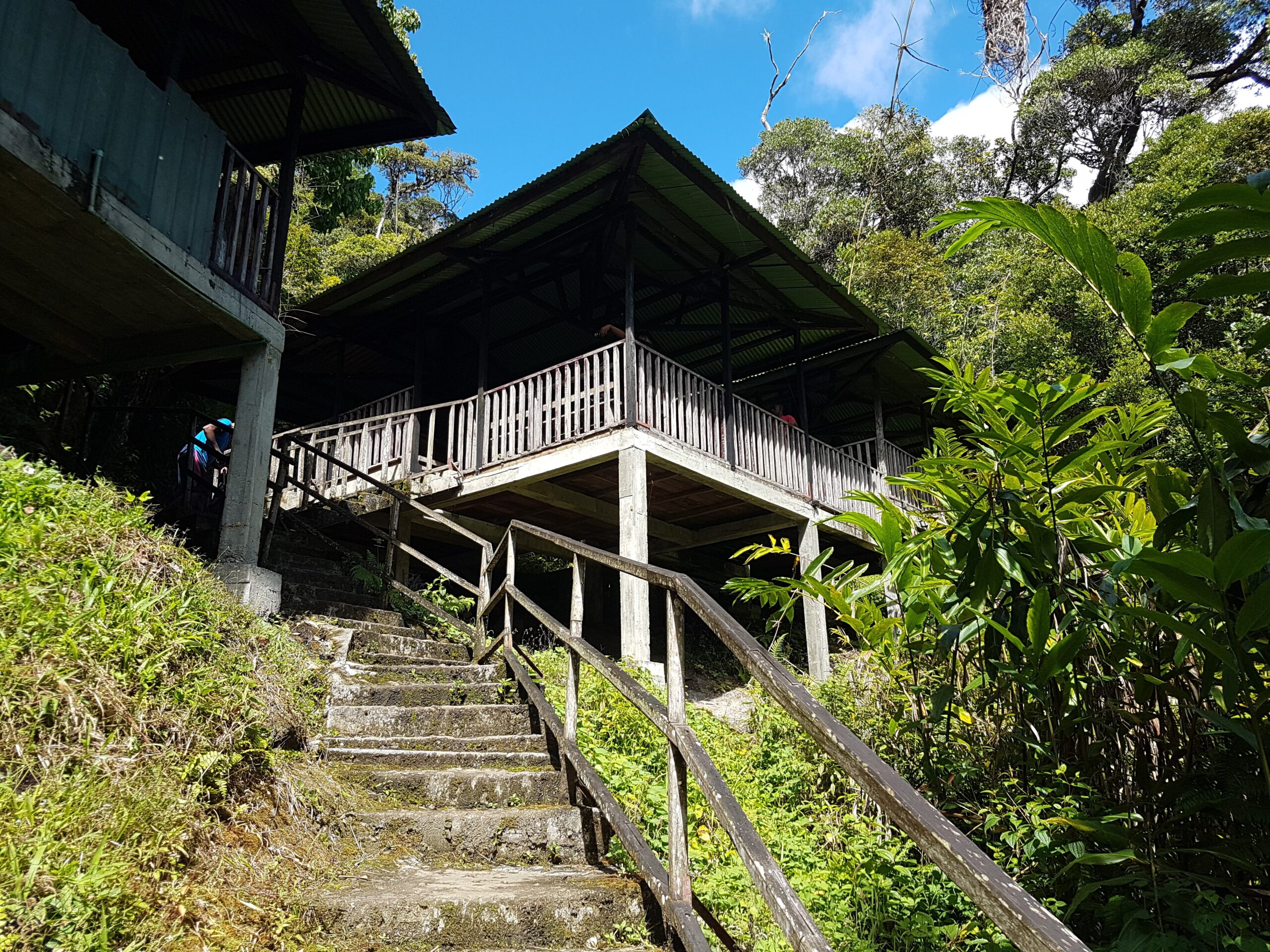
New viewing and dining areas at Camp Marojejia
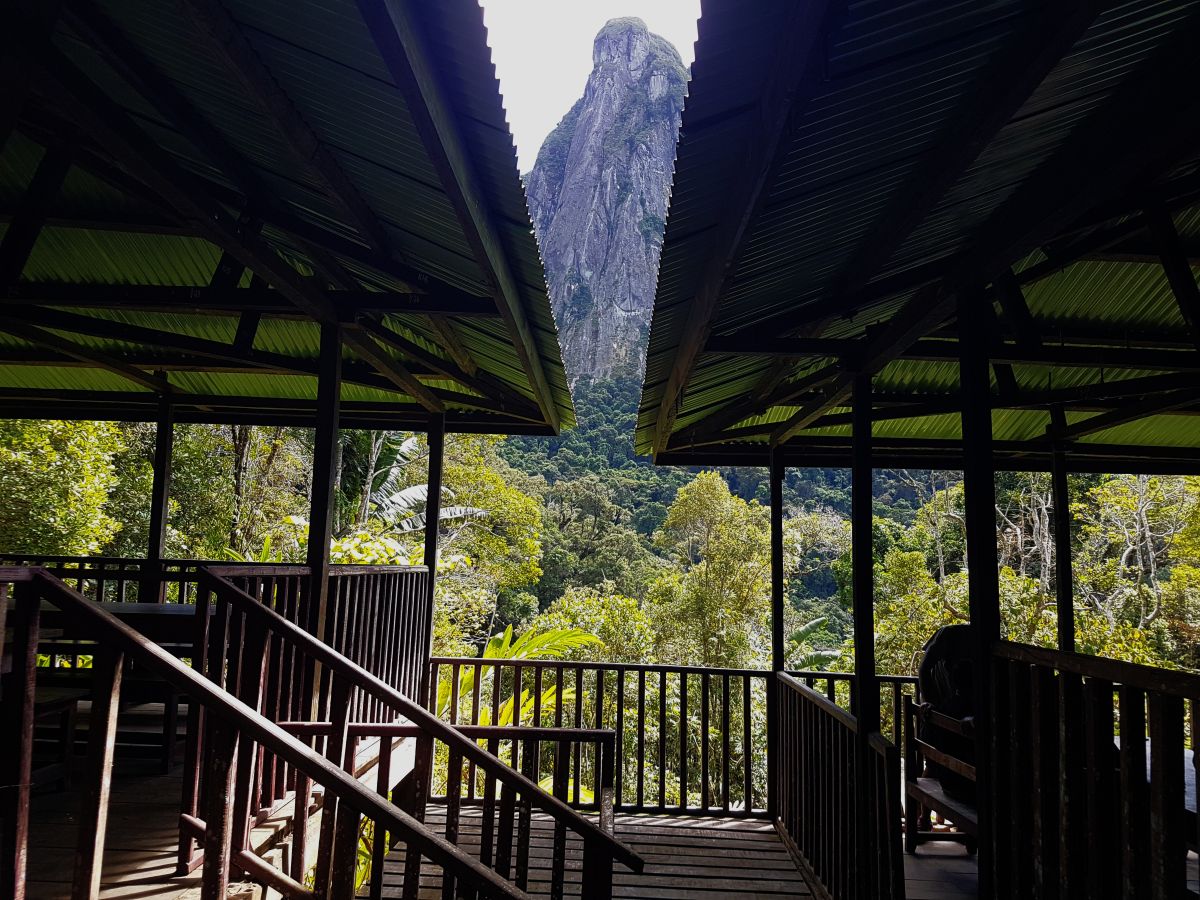
View of Ambatotsondrona from new shelter at Camp Marojejia
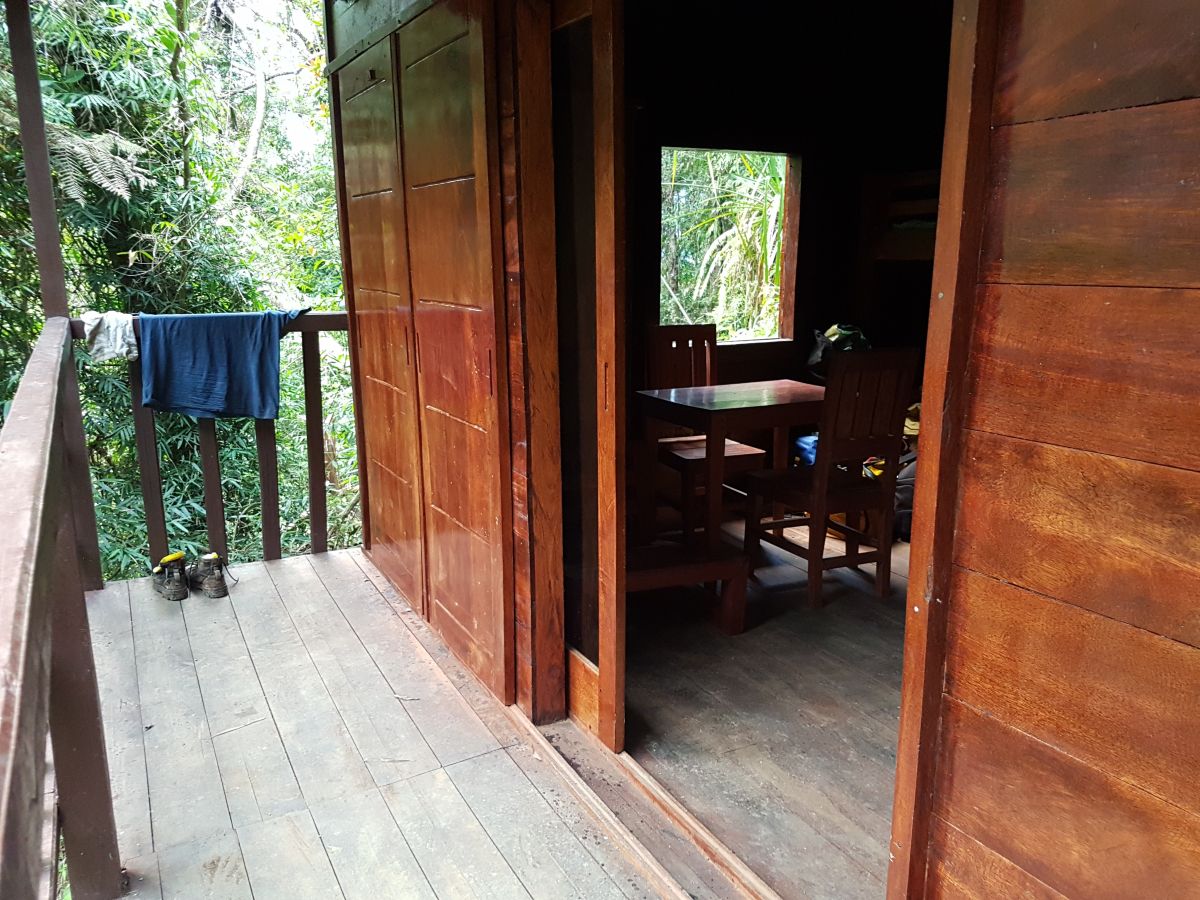
New sleeping cabin at Camp Marojejia
Unlike the previous structures which were constructed primarily of canvas, the new facilities have durable wooden walls and metal roofs, offering greater protection from wind and rain.
For now, Camp Simpona, located high in the tropical cloud forest, remains in rough shape; its remote location in harsh weather conditions make maintenance especially challenging. However, we hope it can be rehabilitated like the other two camps in the near future. Not only is it a crucial resting point for those trekkers making the arduous trip to the summit, but it is also one of the most magical points in the park. [Note: at this time, the cabins are not habitable, and trekkers must pitch their own tents at the site.]
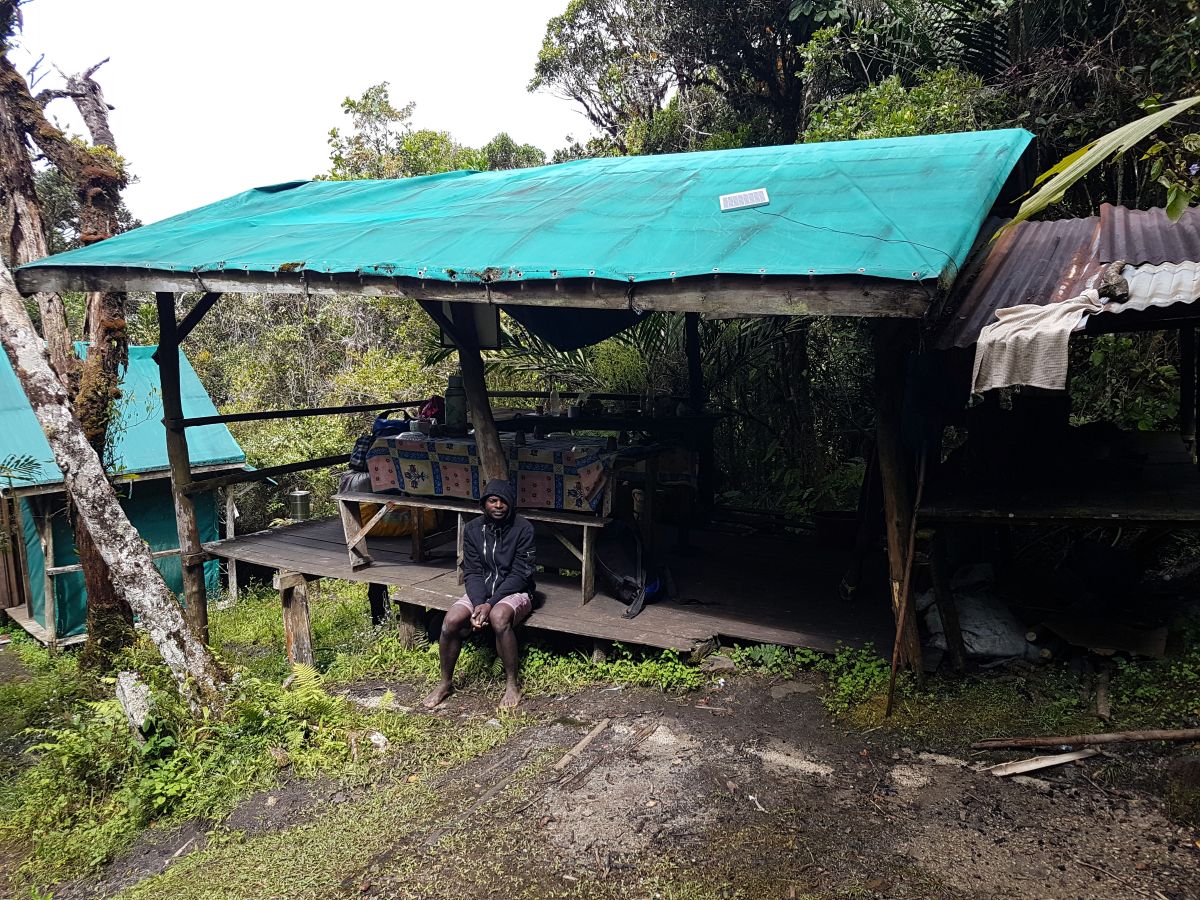
Camp Simpona kitchen and shelter
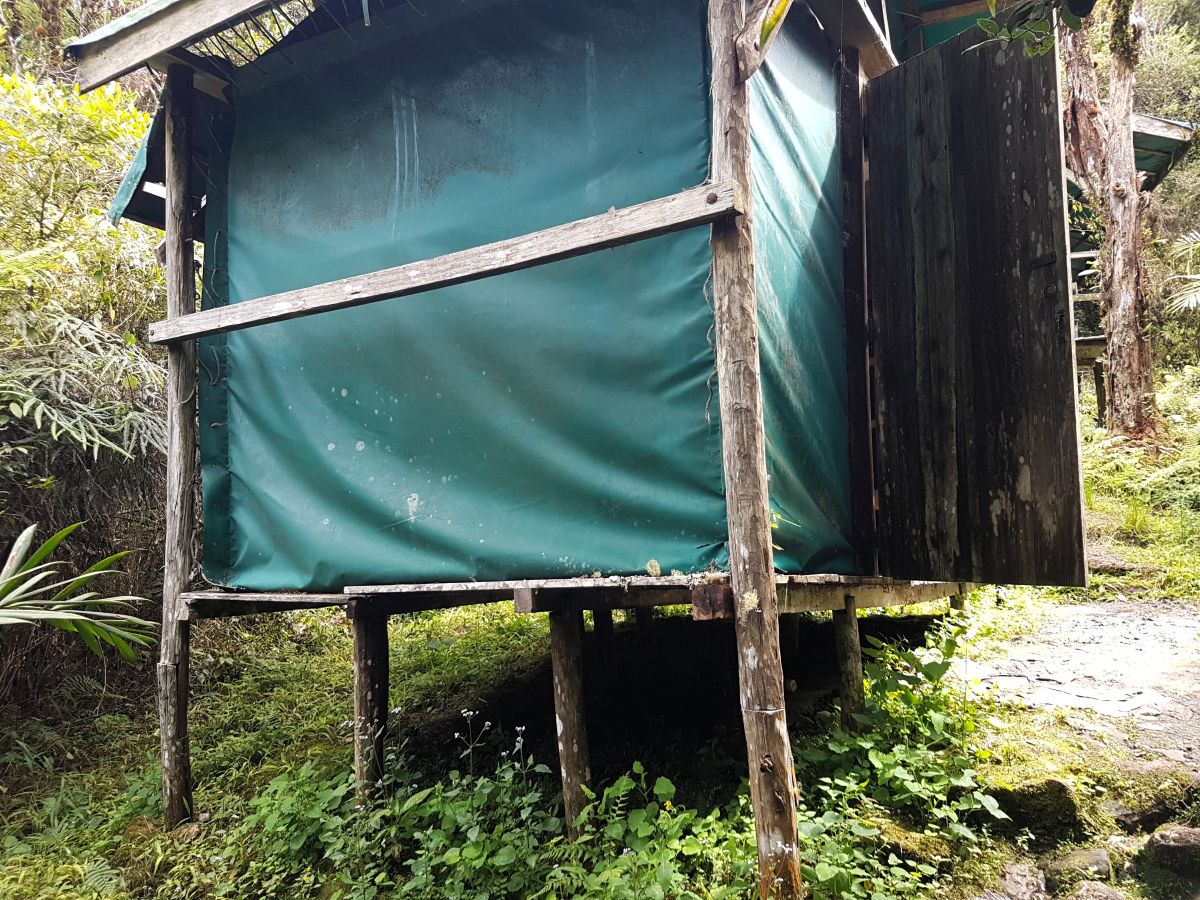
Damaged sleeping cabin at Camp Simpona
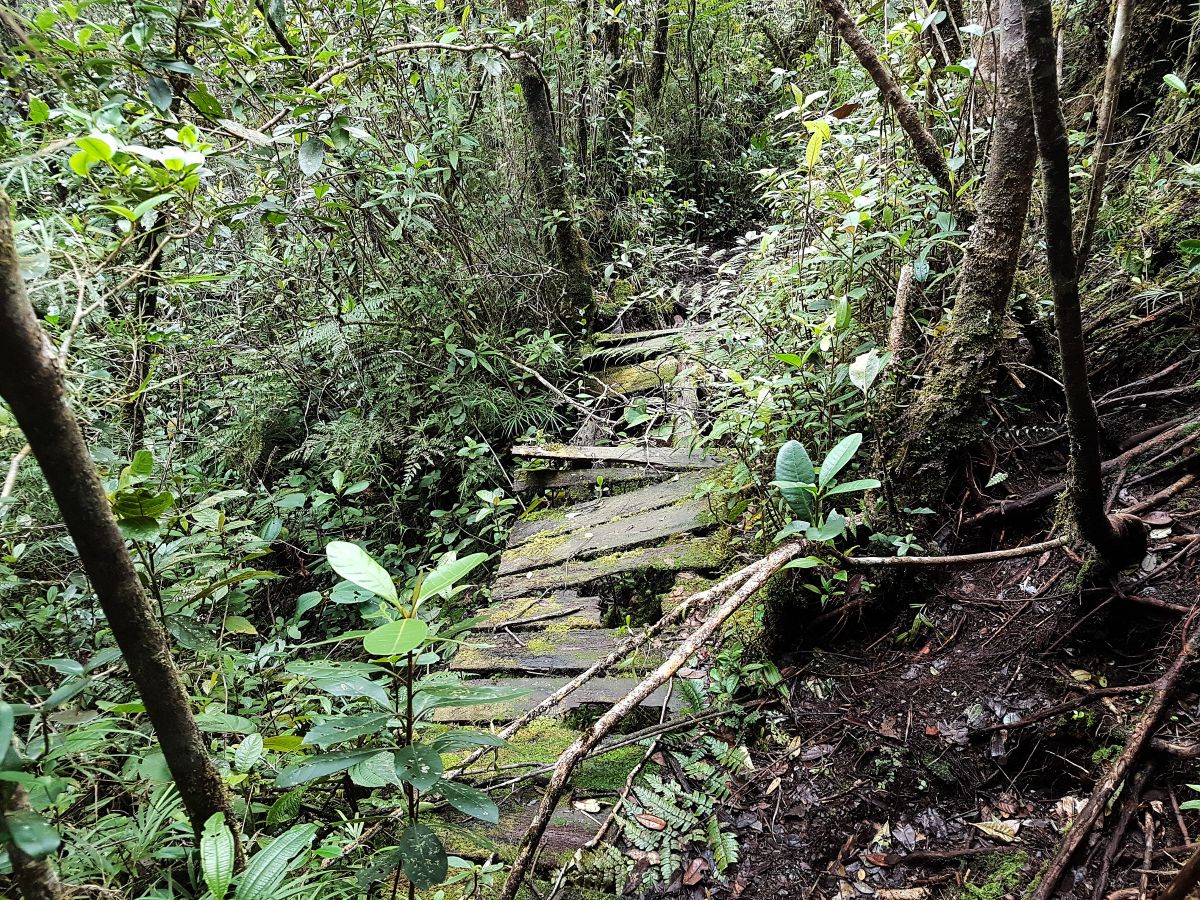
Deteriorated walkway at Camp Simpona
We extend our sincere thanks to Madagascar National Parks for their efforts in maintaining the camps and the trail, and also to the Marojejy Guide Association and the Lemur Conservation Foundation for their continuing support.
Madagascar National Parks (MNP) announced earlier this year that Marojejy’s entry fee for foreign visitors would double — from 45,000 Ar to 90,000 Ar per person per day — beginning in January 2026. MNP has since postponed the increase until November 2026. Based on the information currently available, the fees listed in our 2025 fee schedule should remain valid until that time. View the entire fee schedule here.
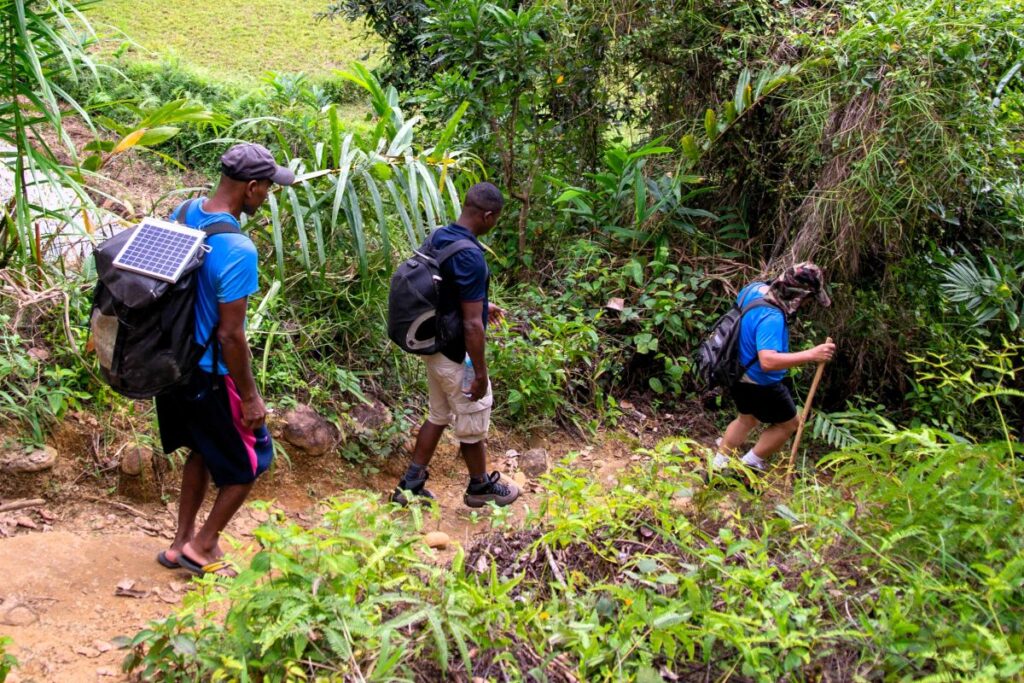
Illegal mining (both for gold and for semi-precious gemstones) has become a serious problem in several protected areas of northeastern Madagascar, including Anjanaharibe-Sud Special Reserve, Makira Natural Area, and Makirovana-Tsihomanaomby Protected Area.
In Makira, just south of Anjanaharibe-Sud, a mining operation with nearly 400 miners has destroyed around 60 hectares of the park, replacing pristine forest with open pits and human settlements. Although the miners were expelled, many have returned and park management staff have been threatened.
Pression sur les forêts – Des exploitants miniers envahissent le parc de Makira
Just to the north of Marojejy, a small protected area called Makirovana-Tsihomanaomby is managed by the local community and the Makirovana Association. Recently, community patrols discovered illegal gold mines inside the protected area and police arrested two miners. In retaliation, a larger group of miners launched violent attacks on villages around the area, destroying 88 houses and 10 native tree nurseries and reforestation sites.
Help Indigenous Forest Defenders Rebuild After Violent Attack – Conservation Allies
Very pleased to learn that Dr. James Herrera will be continuing the excellent conservation work that Duke Lemur Center has been doing in the SAVA region over the past 14 years. Thank you, James!
https://lemur.duke.edu/james-herrera-conservation/
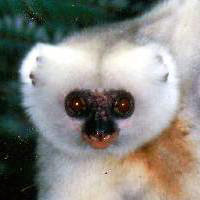
Excellent photos of a baby silky sifaka in Anjanaharibe-Sud. Thank you, Wildlife Madagascar!
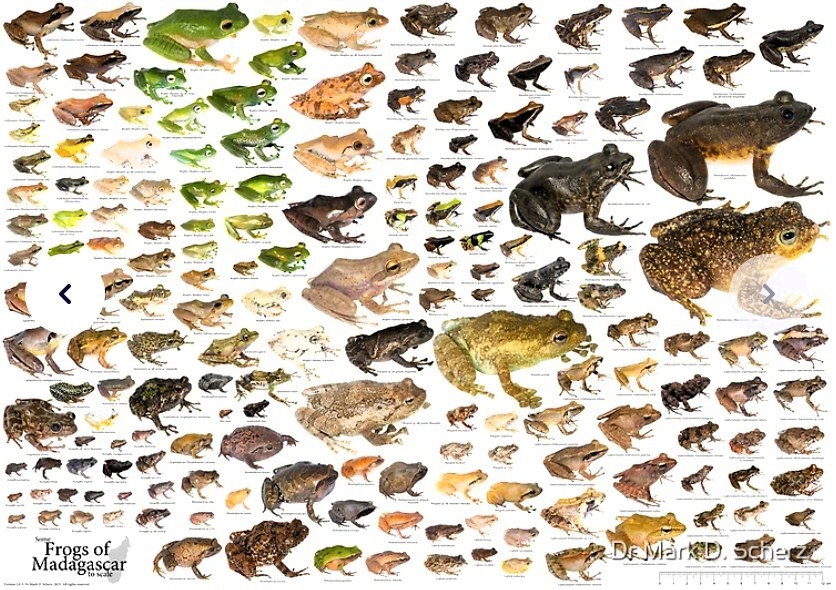
74 species of frogs have been named to date from Marojejy, with probably many, many more yet to be discovered. Here’s a great poster showing some of the hundreds of frogs found in Madagascar. Thank you, Dr. Mark Scherz!